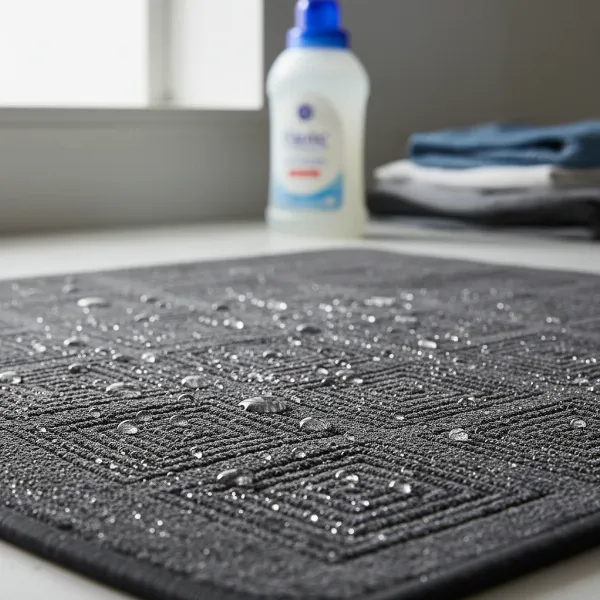
As an Admin of reviewmycdr.com and a kitchenware technician with over a decade of experience, I’ve seen countless kitchen products come and go. Among the most innovative recent additions are stone drying mats, hailed for their rapid absorbency and sleek design. They promise a drier, cleaner kitchen, but like any specialty item, they require specific care to truly thrive. Many users, eager to embrace this new technology, unknowingly fall into common traps that drastically shorten their mat’s lifespan. Today, we’ll dive deep into these pitfalls, helping you understand how to avoid them and ensure your stone drying mat remains a cornerstone of your efficient kitchen for years to come.
Understanding Your Stone Drying Mat: Beyond the Hype
Stone drying mats, predominantly made from diatomaceous earth (DE), are a marvel of natural engineering. This porous material, derived from fossilized algae, boasts incredible absorbency, allowing water to seemingly vanish on contact. Unlike traditional fabric mats that hold moisture, DE mats release it back into the air quickly, inhibiting the growth of mold and bacteria. This inherent quick-drying and antimicrobial property makes them a popular choice for everything from dish drying to bathroom floors. However, their unique composition also means they demand a different approach to care than your average textile mat.
The Magic of Diatomaceous Earth: Quick-Drying and More
|
Our Picks for the Best Kitchen absorbent mat in 2026
As an Amazon Associate I earn from qualifying purchases.
|
||
| Num | Product | Action |
|---|---|---|
| 1 | GORILLA GRIP Ultra Water Absorbent Microfiber Dish Drying Mat, Quick Dry Thick Mesh, Slip Resistant Pad for Sink Dishes or Under Rack, Kitchen Counter Accessories, 16x18, Machine Wash Mats, Gray |

|
| 2 | Ecotrim - Dish Drying Mat for Kitchen Counter | Coffee Bar Mat for Countertops | Heat Resistant Drainer Mat with Non-slip Rubber Backed | Hide Stain Kitchen Absorbent Draining Mat | Dark Grey 16"x18" |
|
| 3 | WISELIFE Dish Drying Mat Super Absorbent Drying Mat Large Dish Drying Mats for Kitchen Counter Easy Clean Dish Mat Kitchen Drying Mat15"x 18" Stylish Grey |
|
| 4 | GORILLA GRIP Ultra Water Absorbent Microfiber Dish Drying Mat, Quick Dry Thick Mesh, Slip Resistant Pad for Sink Dishes or Under Rack, Kitchen Counter Accessories, Machine Wash Mats, 18x16 Inch, Black |
|
| 5 | AMOAMI Dish Drying Mat for Kitchen Counter-Coffee Mat Bar Accessories, Hide Stain, Rubber Backed, Absorbent, Fit Under Coffee Maker, Espresso Machine, Pot, Dish Rack, 12"x19", Dark Grey |
|
| 6 | YDKGL Water Absorbent Runner Rugs for Kitchen, Kitchen Mat in Front of Sink, Oil Absorbent Kitchen Mats for Floor,Non-Slip Kitchen Rugs,Durable Kitchen Mats,17x30 Gray Kitchen Rugs, |
|
| 7 | S&T INC. Dish Drying Mat XL, 18” x 24”, Absorbent Microfiber Kitchen Counter Mat, Dish Drying Pad for Dishes, Utensils, Pots and Pans, Extra Large, Charcoal |
|
| 8 | YDKGL Kitchen Rugs Mat Non Slip Washable, Super Absorbent Kitchen Mats for Floor, Rubber Backing Soft Braided Standing Floor Mats Sink Mat Runner Rug, Easy to Clean and Maintain, Brown 17"x30" |
|
| 9 | HotLive Dish Drying Mat for Kitchen Counter, Heat Resistant Drainer Mats with Non-slip Rubber Backed, Hide Stain Kitchen Super Absorbent Draining Mat, Easy to Clean Dish Rack Pad, Dark Grey 16"x18" |
|
| 10 | StepRite Kitchen Mats, 2PCS Kitchen Rugs, Cushioned Anti Fatigue Kitchen Mats for Floor, Non-Slip Standing Desk Mat, Waterproof Kitchen Rug Set for Kitchen, Floor, Office, 17.3"x30"+17.3"x47", Black |
|
At its core, diatomaceous earth is a soft, sedimentary rock packed with microscopic pores. These pores are what give the mat its remarkable ability to wick away moisture. When water hits the surface, it’s rapidly absorbed into these tiny channels, then evaporates quickly, leaving the mat dry to the touch in minutes. This process not only keeps your countertops and floors free from puddles but also naturally deters the damp, dark environments where mold and bacteria typically flourish. It’s this combination of rapid absorption and natural hygiene that truly sets stone drying mats apart, transforming wet zones into dry, clean spaces with minimal effort.
The Biggest Blunders: Common Mistakes That Ruin Your Stone Drying Mat
Even with their impressive capabilities, stone drying mats are not indestructible. Their natural, porous structure makes them susceptible to damage and reduced performance if not handled correctly. Understanding these common mistakes is the first step toward preserving your mat’s functionality and aesthetic appeal. From how you dry it to what you clean it with, seemingly minor oversights can lead to significant problems, turning your innovative kitchen aid into a frustrating and short-lived expense.
Mistake #1: Improper Drying Habits
One of the most frequent errors is not allowing the mat to dry correctly, ironically, given its quick-drying nature. While it absorbs water rapidly, it still needs proper air circulation to fully release that moisture. Leaving a stone mat flat on a wet or poorly ventilated surface, such as a perpetually damp countertop or bathroom floor, can trap moisture underneath. This significantly slows down the drying process and creates an ideal breeding ground for mold and mildew. Moreover, attempting to accelerate drying with extreme heat sources like direct sunlight, hair dryers, or heaters can cause the delicate diatomaceous earth to crack, warp, or become brittle over time. The goal is efficient, natural air drying, not rapid, forced dehydration.
Mistake #2: Using Harsh Chemicals and Abrasives
When your stone drying mat gets dirty, your first instinct might be to reach for strong cleaners. This is a critical mistake. Diatomaceous earth is a natural mineral, and harsh chemicals, acidic substances like vinegar or lemon juice, or abrasive scrubbing pads can erode its surface. Such products can damage the mat’s porous structure, leading to reduced absorbency, discoloration, and an overall dull appearance. Colored liquids, like wine or coffee, can also permanently stain the mat due to its highly porous nature, penetrating deep into the material rather than simply sitting on the surface. Long periods of soaking in water or cleaning solutions should also be avoided, as this can weaken the mat’s integrity.
Mistake #3: Physical Damage from Mishandling and Impacts
Despite their stone-like appearance, these mats are surprisingly fragile. They are designed for passive absorption, not heavy impacts. Dropping heavy objects on the mat, bending or folding it sharply during cleaning, or placing it on an uneven surface can cause stress fractures, chips, or even outright breaks. Think of it more like a delicate ceramic tile than a rugged rock. Even consistent pressure on an uneven spot can lead to cracks over time. Handle your mat with care, much like you would a treasured piece of crockery, to prevent structural damage.
Mistake #4: Neglecting Regular Cleaning
Many assume that because stone mats are “antimicrobial,” they don’t need cleaning. This is a dangerous misconception. Over time, dirt, dust, skin oils, soap scum, and other organic residues from dishes or feet will accumulate on the mat’s surface. This build-up clogs the microscopic pores responsible for absorption, leading to a noticeable decrease in the mat’s efficiency. The once-rapid drying slows down, and stains become more pronounced. Neglecting regular cleaning transforms your highly absorbent mat into a less effective, unhygienic surface, defeating its primary purpose.
Mistake #5: Over-Saturating and Poor Ventilation
While incredibly absorbent, every material has its limit. Constant saturation without adequate time to completely dry out can lead to problems. If your mat is perpetually wet, it will struggle to evaporate moisture, increasing the risk of mold growth, particularly on the underside where air circulation is poorest. Furthermore, a humid environment with poor overall ventilation will exacerbate this issue, turning your mat into a damp sponge rather than a quick-dry solution. Ensuring the mat has ample opportunity to fully dry between uses, especially in a well-ventilated area, is crucial.
“Many users misunderstand the delicate balance required for stone drying mats. They’re not just a passive surface; they need active, gentle care to maintain their unique properties. Neglecting these basics can turn a high-performance item into a short-lived disappointment.” – Jane Doe, Lead Product Engineer at DryHome Solutions
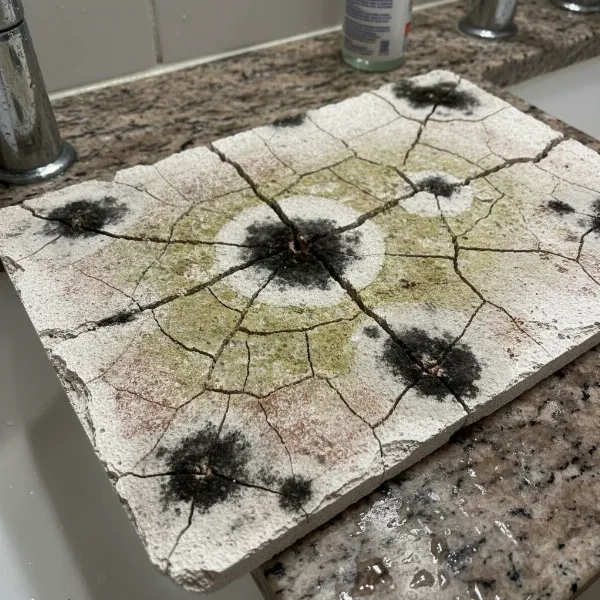 A close-up of a cracked and stained diatomaceous earth stone drying mat, showing damage from improper care.
Common Mistakes and Their Impact
| Mistake | Common Causes | Impact on Mat |
|---|---|---|
| Improper Drying | Leaving flat, direct sunlight, heaters | Cracking, warping, mold growth, reduced absorbency |
| Harsh Cleaners | Acidic cleaners, abrasive scrubbers, colored liquids | Erosion of surface, discoloration, permanent stains, reduced absorbency |
| Physical Damage | Dropping, bending, uneven surfaces, heavy items | Chips, cracks, breakage, structural integrity loss |
| Neglecting Cleaning | Accumulation of dirt, oil, soap scum | Clogged pores, reduced absorbency, odor, unsanitary |
| Over-Saturating | Constant wetness, poor air circulation | Mold and mildew growth, persistent dampness |
Extending Longevity: Best Practices for Your Stone Drying Mat
Now that we’ve identified the pitfalls, let’s focus on the solutions. Proper care for your stone drying mat isn’t complicated, but it does require consistency and a gentle touch. By integrating a few simple habits into your routine, you can significantly extend the life and effectiveness of your diatomaceous earth mat, allowing it to perform its best day after day.
The Art of Proper Drying
The key to a long-lasting stone mat is allowing it to dry thoroughly and naturally. After each use, especially in humid environments, prop your mat upright or place it on a towel rack or edge where air can circulate freely around all its surfaces. This ensures trapped moisture underneath can evaporate efficiently, preventing mold and mildew. Always choose a well-ventilated area for drying. While the mat dries quickly on its own, avoid placing it in direct, intense sunlight or near artificial heat sources like radiators, hair dryers, or space heaters, as extreme temperatures can cause warping or cracking. Patience is a virtue here; let the mat dry at its own pace in a cool, airy spot.
Gentle and Effective Cleaning
For light dirt and everyday grime, a simple wipe-down with a damp cloth is usually sufficient. Avoid the urge to use harsh cleaning solutions. For more stubborn stains, such as oil spots or discoloration, a mild, pH-neutral detergent diluted in water can be used with a soft brush or sponge. Rinse thoroughly with clean water, making sure no soap residue remains. If your mat’s absorbency seems diminished or you have deep, embedded stains, gently sanding the surface with fine-grit sandpaper (around 120 to 400 grit) can work wonders. This removes the clogged top layer and revitalizes the mat’s porous structure. When sanding, do so in a well-ventilated area, and for safety, some recommend wetting the mat first to minimize dust inhalation. Always wipe away any dust residue with a damp cloth after sanding.
Mindful Handling and Placement
Stone drying mats, while robust in function, are delicate in structure. Always handle them carefully, avoiding sudden drops or impacts that could lead to chips or cracks. When moving or cleaning the mat, do not bend or fold it, as this is a common cause of breakage. Ensure your mat is always placed on a flat, even surface. Uneven pressure points can stress the material and lead to fractures over time. Using a non-slip pad underneath, if not already integrated, can provide both stability and a slight elevation, further aiding air circulation and protecting the mat from underneath. Rotating your mat periodically can also help distribute wear evenly, especially in high-traffic areas.
Consistency is Key: A Regular Care Routine
Just like any other essential kitchen tool, a stone drying mat benefits from a consistent care routine. Aim for a quick wipe-down with a damp cloth weekly to remove surface dirt and oils. For deeper cleaning or to refresh absorbency, a gentle sanding every 3-6 months, or as needed, can be highly effective. Remember, the goal is preventative care rather than reactive damage control. By making these simple maintenance steps a regular part of your household chores, you ensure your stone drying mat remains hygienic, highly absorbent, and a beautiful addition to your home for its full intended lifespan.
Stone Drying Mat Care: Do’s and Don’ts
| Aspect | Do’s | Don’ts |
|---|---|---|
| Drying | Prop upright, air dry in well-ventilated area, elevate | Leave flat, expose to direct sun/heaters, towel-dry |
| Cleaning | Damp cloth, mild pH-neutral detergent, fine-grit sandpaper | Harsh chemicals, acidic cleaners, abrasive scrubbers, prolonged soaking |
| Handling | Handle gently, place on flat surface, use non-slip pad | Drop, bend, fold, place on uneven surfaces, heavy impacts |
| Maintenance | Wipe weekly, sand periodically (3-6 months), rotate mat | Neglect cleaning, over-sand too deeply, ignore stains |
| Environment | Ensure good ventilation, allow to fully dry between uses | Allow constant saturation, use in very humid, enclosed spaces |
A Smart Purchase: What to Look for in a Durable Stone Drying Mat
Choosing the right stone drying mat extends beyond just aesthetics; it’s about investing in a product that can withstand the test of time and usage. With a growing market, distinguishing between high-quality, durable mats and those prone to early failure is crucial. As someone who has evaluated hundreds of kitchen products, I can tell you that a little research upfront can save you a lot of hassle and expense later on.
Material Quality and Composition
The primary component of most stone drying mats is diatomaceous earth, but not all DE is created equal. High-quality mats will feature a higher purity of diatomaceous earth, often blended with other natural, inert materials that enhance durability without compromising absorbency. Be wary of mats that feel excessively lightweight or brittle, as these might contain a higher percentage of fillers or binders that reduce effectiveness and make them more prone to cracking. Reputable brands are transparent about their material composition. While “stone” implies hardiness, remember DE is a soft rock, so seek out products known for their robust yet porous structure.
Size and Stability Considerations
Consider where the mat will be used. For a kitchen counter, a smaller, thinner mat might suffice, whereas a bathroom mat often benefits from a larger, more substantial size for better coverage. The thickness of the mat also plays a role in its perceived durability and how quickly it dries. Thicker mats can sometimes hold more moisture, but also might take longer to completely dry out. Look for mats that come with a non-slip backing or an integrated rubber base. This not only prevents the mat from sliding on slick surfaces but also provides a crucial buffer, slightly elevating the stone to allow air circulation underneath, which significantly aids in preventing mold and ensuring uniform drying.
Reputable Brands and Consumer Insights
In a market flooded with options, trust is paramount. Prioritize brands with a strong reputation for quality and customer satisfaction. Take the time to read user reviews and look for consistent feedback regarding durability, absorbency, and ease of cleaning. Are there recurring complaints about cracking, staining, or a sudden loss of absorbency? This kind of collective insight can be invaluable. A reliable brand will often offer clear care instructions, customer support, and sometimes even a warranty, signaling their confidence in the product’s longevity. Remember, a slightly higher upfront cost for a well-made mat from a trusted brand often translates to better performance and a much longer lifespan.
Estimated Price Range for Stone Drying Mats (2026)
| Type of Mat | Size (Approximate) | Estimated Price Range (USD) |
|---|---|---|
| Small Kitchen/Sink Mat | 8″ x 12″ | $15 – $30 |
| Medium Bathroom/Dish Mat | 15″ x 23″ | $30 – $55 |
| Large Area Mat | 20″ x 30″ | $50 – $80+ |
| Designer/Premium Mat | Varied | $60 – $120+ |
Prices are estimates and can vary based on brand, material purity, design, and additional features.
Safeguarding Your Stone Drying Mat: Final Thoughts
Stone drying mats represent a significant upgrade in kitchen and bathroom hygiene and efficiency. However, their unique material demands a departure from conventional care routines. By understanding the common mistakes—from improper drying and harsh cleaning to physical mishandling and neglecting regular maintenance—you can proactively protect your mat from premature deterioration. Embrace gentle cleaning, ensure consistent and natural drying, and handle your mat with the care it deserves.
Making these small adjustments in your daily routine will not only extend the lifespan of your stone drying mat but also ensure it continues to deliver its promise of a dry, clean, and aesthetically pleasing space. Your kitchen and bathroom deserve the best, and with a little mindful attention, your stone drying mat will consistently live up to that standard.
Frequently Asked Questions
Can I use a stone drying mat in the kitchen for dishes?
Absolutely! Stone drying mats are highly effective in the kitchen, particularly as dish drying mats. Their rapid absorbency helps keep countertops dry and free of water spots, making them an excellent, hygienic alternative to traditional fabric dish mats.
How often should I clean my stone drying mat?
For optimal performance, wipe your stone drying mat with a damp cloth weekly to remove surface dirt and oils. For deeper cleaning or to restore absorbency, gently sand the surface with fine-grit sandpaper every 3-6 months, or whenever you notice diminished performance or stubborn stains.
What type of sandpaper should I use for my stone drying mat?
For refreshing your stone drying mat, fine-grit sandpaper is recommended, typically ranging from 120-grit to 400-grit. This helps to gently remove the clogged top layer without causing excessive wear, restoring the mat’s natural absorbency.
Can stone drying mats get mold?
While stone drying mats are naturally antimicrobial and dry quickly, they can still develop mold or mildew if constantly saturated or left in poorly ventilated, damp conditions for extended periods. Ensuring proper airflow and complete drying between uses is crucial.
Why is my stone drying mat not absorbing water anymore?
A decrease in absorbency is usually due to clogged pores from accumulated dirt, oils, soap scum, or mineral deposits. Gentle cleaning, including light sanding, can often restore its original effectiveness. Damage like cracks can also impair absorption.