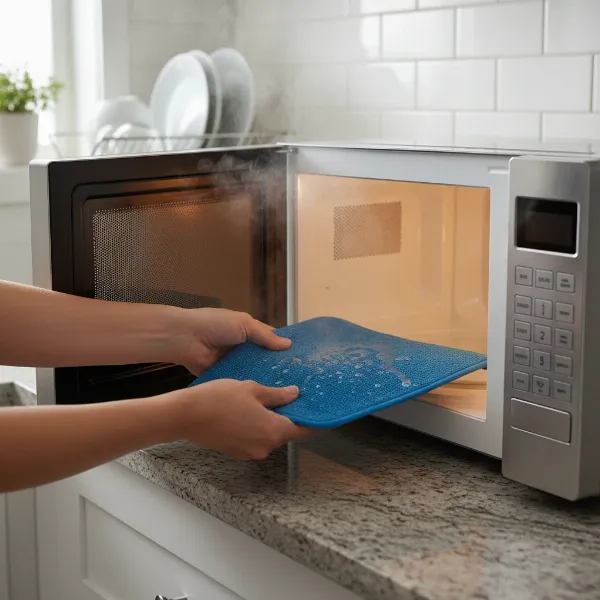
Keeping your home clean and inviting often comes down to the smallest details, and surprisingly, your mats play a huge role. Whether it’s a plush bath mat or a hard-working kitchen absorbent mat, these essential items collect dirt, spills, and grime daily. But when they start looking dull or smelling less than fresh, many wonder how to restore them without causing damage. The good news is that many mats are perfectly safe for your washing machine, offering a simple and effective way to bring them back to life. With the right approach, you can easily refresh your mats, ensuring they remain hygienic, absorbent, and aesthetically pleasing.
Understanding Your Mat: Is It Machine Washable?
Before you toss any mat into the washing machine, the most crucial step is to determine its machine washability. Different materials react differently to water, detergent, and agitation. Ignoring this vital check can lead to shrinkage, damage to backings, or even ruin your mat entirely.
Check the Care Label First
|
Our Picks for the Best Kitchen absorbent mat in 2026
As an Amazon Associate I earn from qualifying purchases.
|
||
| Num | Product | Action |
|---|---|---|
| 1 | YDKGL Kitchen Rugs Mat Non Slip Washable, Super Absorbent Kitchen Mats for Floor, Rubber Backing Soft Braided Standing Floor Mats Sink Mat Runner Rug, Easy to Clean and Maintain, Brown 17"x30" |

|
| 2 | GORILLA GRIP Ultra Water Absorbent Microfiber Dish Drying Mat, Quick Dry Thick Mesh, Slip Resistant Pad for Sink Dishes or Under Rack, Kitchen Counter Accessories, Machine Wash Mats, 18x16 Inch, Black |
|
| 3 | StepRite Kitchen Mats, 2PCS Kitchen Rugs, Cushioned Anti Fatigue Kitchen Mats for Floor, Non-Slip Standing Desk Mat, Waterproof Kitchen Rug Set for Kitchen, Floor, Office, 17.3"x30"+17.3"x47", Black |
|
| 4 | AMOAMI Dish Drying Mat for Kitchen Counter-Coffee Mat Bar Accessories, Hide Stain, Rubber Backed, Absorbent, Fit Under Coffee Maker, Espresso Machine, Pot, Dish Rack, 12"x19", Dark Grey |
|
| 5 | YDKGL Water Absorbent Runner Rugs for Kitchen, Kitchen Mat in Front of Sink, Oil Absorbent Kitchen Mats for Floor,Non-Slip Kitchen Rugs,Durable Kitchen Mats,17x30 Gray Kitchen Rugs, |
|
| 6 | Ecotrim - Dish Drying Mat for Kitchen Counter | Coffee Bar Mat for Countertops | Heat Resistant Drainer Mat with Non-slip Rubber Backed | Hide Stain Kitchen Absorbent Draining Mat | Dark Grey 16"x18" |
|
| 7 | S&T INC. Dish Drying Mat XL, 18” x 24”, Absorbent Microfiber Kitchen Counter Mat, Dish Drying Pad for Dishes, Utensils, Pots and Pans, Extra Large, Charcoal |
|
| 8 | GORILLA GRIP Ultra Water Absorbent Microfiber Dish Drying Mat, Quick Dry Thick Mesh, Slip Resistant Pad for Sink Dishes or Under Rack, Kitchen Counter Accessories, 16x18, Machine Wash Mats, Gray |
|
| 9 | HotLive Dish Drying Mat for Kitchen Counter, Heat Resistant Drainer Mats with Non-slip Rubber Backed, Hide Stain Kitchen Super Absorbent Draining Mat, Easy to Clean Dish Rack Pad, Dark Grey 16"x18" |
|
| 10 | WISELIFE Dish Drying Mat Super Absorbent Drying Mat Large Dish Drying Mats for Kitchen Counter Easy Clean Dish Mat Kitchen Drying Mat15"x 18" Stylish Grey |
|
Every mat, like any textile, should come with a care label. This small tag provides specific instructions from the manufacturer regarding washing temperature, cycle recommendations, and drying methods. Always prioritize these guidelines as they are tailored to the mat’s specific materials and construction. If the label is missing or unreadable, proceed with caution, especially if the mat has a rubber backing or is made of delicate natural fibers.
Mat Materials and Machine Washability
Understanding the common materials used in mats helps in making informed decisions for refreshing them. From highly absorbent microfibers to robust synthetic blends, each material has its ideal washing conditions.
| Material | Machine Washable? | Key Considerations for Washing |
|---|---|---|
| Cotton | Yes | Generally safe; use a gentle cycle with cold water to minimize shrinkage and preserve fibers. Can be prone to absorbing a lot of water, making it heavy. |
| Microfiber | Yes | Excellent absorbency. Wash in cold or warm water on a gentle or delicate cycle. Avoid hot water, bleach, and fabric softeners, as these can damage fibers and reduce absorbency. |
| Synthetic | Yes | (Nylon, Polyester) Durable and colorfast. A standard cold-water cycle is usually fine. Add a towel to balance the load. |
| Rubber-backed | Usually, with caution | The rubber backing is sensitive to heat. Always use cold water and a gentle cycle. Hot water can cause the rubber to crack, harden, or disintegrate over time, ruining the mat’s non-slip properties. Never use a high-heat dryer. |
| Diatomite | No | These hard, porous mats are not machine washable. Clean by wiping with a damp cloth or light sanding for surface stains. |
| Natural Fibers | No | (Jute, Sisal, Coir) These absorb too much water, can become misshapen, shed fibers, and potentially clog your machine. Spot-clean with a damp cloth or hand-wash very carefully, avoiding excessive water. Hand washing with wool detergent is suggested for wool mats. |
Step-by-Step Guide to Washing Your Mat in the Machine
Once you’ve confirmed your mat is machine washable, follow these steps to ensure a thorough and safe cleaning process.
Pre-Wash Preparation
Before your mat enters the washing machine, a little preparation goes a long way in ensuring a deeper clean and protecting your appliance. First, take your mat outside and give it a good shake to dislodge any loose dirt, dust, or crumbs. For mats, especially kitchen absorbent mats that trap more debris, a quick vacuuming can effectively remove embedded dirt and pet hair, preventing it from clogging your machine’s drain. Inspect the mat for any visible stains and pre-treat them using a paste of baking soda and water or a mild stain remover. Allow the pre-treatment to sit for 15-20 minutes before washing for best results.
Loading the Washer Correctly
To prevent your washing machine from becoming unbalanced and to ensure an even clean, avoid overloading it. Wash mats separately or with a couple of towels to help balance the load, especially for single, heavier mats. This allows adequate space for the mat to agitate properly and for water and detergent to circulate effectively. For rugs with a water-resistant backing, consider lowering the washer’s spin speed to help preserve the material.
Choosing the Right Detergent and Additives
Selecting the appropriate cleaning agents is vital for refreshing your mats without damaging their fibers or backing. Always opt for a mild laundry detergent that is free of harsh chemicals and bleach. Harsh chemicals can degrade the fabric and cause irritation, while bleach can cause fading and damage. It’s also crucial to avoid using fabric softener or a combined detergent and conditioner. Fabric softeners can negatively affect the mat’s absorption properties, compromising its effectiveness, particularly for absorbent kitchen mats.
For an extra boost of freshness and odor removal, consider adding a small amount of distilled white vinegar to the detergent tray or directly into the wash tub. White vinegar has natural cleaning properties and is excellent for eliminating smells. Alternatively, a half-cup of baking soda mixed with your detergent can provide a fresh-boosting laundry load.
Selecting the Ideal Wash Cycle and Temperature
The right wash cycle and water temperature are paramount for preserving your mat’s integrity, especially those with sensitive backings. Always choose a gentle or delicate wash cycle to prevent excessive wear and tear on the fibers and to protect any non-slip backings. Avoid heavy-duty cycles, which can be too aggressive.
Regarding water temperature, cold water is almost always the safest and most recommended option. Hot water is the primary enemy of rubber and non-slip backings, as it can make them brittle, cause them to crack, melt them, or even lead to shrinkage and fading in certain fabrics. While some commercial mats might tolerate warmer temperatures to dissolve grease, for household mats, cold water is best to extend their lifespan and maintain their appearance. An extra rinse cycle can be beneficial to ensure all soapy residue is thoroughly removed.
Drying Your Mat for Longevity
Proper drying is just as important as washing to prevent mildew, odors, and damage to your mat. Incorrect drying methods can lead to shrinkage, cracking of rubber backings, or a decline in the mat’s overall quality.
Air Drying: The Safest Method
Air drying is universally considered the best and safest method for most mats. After washing, reshape your mat and hang it on a drying rack or clothesline in a well-ventilated area, away from direct sunlight, which can cause fading. Ensure the mat is completely dry before placing it back on the floor. This method prevents heat damage to delicate backings and fibers and helps maintain the mat’s original size and shape.
Tumble Drying with Caution
If air drying isn’t feasible, some mats can be tumble-dried, but extreme caution is advised. Always use a low heat setting or, preferably, an air-only cycle. High heat can cause significant damage, especially to rubber-backed mats, leading to cracking or disintegration. It’s also wise to check your washing machine’s filters regularly, especially when washing heavier items like mats, as lint and debris can accumulate. Ensure the mat is completely dry before use to prevent any mildew growth.
How Often Should You Refresh Your Mats?
The frequency of washing your mats depends on several factors, but regular cleaning is key to maintaining hygiene and extending their lifespan. Knowing when to refresh your mats ensures they continue to perform their best.
Factors Influencing Washing Frequency
Several elements dictate how often your mats need a wash. High-traffic areas, like kitchen entrances or areas in front of the sink and stove, will accumulate dirt and spills much faster. Homes with children or pets will also see increased grime and potential odors, necessitating more frequent cleaning. The mat’s material itself can also play a role; highly absorbent mats might need more regular attention. Ultimately, if your mat looks dirty or develops a noticeable odor, it’s a clear sign it’s time for a wash.
General Guidelines by Mat Type
| Mat Type | Recommended Washing Frequency |
|---|---|
| Kitchen Absorbent Mats | Generally once a week, especially in busy kitchens. If used in a high-traffic area or frequently exposed to moisture and spills, you might need to wash it more often. |
| Bath Mats | Once a week or every 1-2 weeks, due to constant moisture exposure and potential for mildew. |
| Entryway/Doormats (Indoor) | Every 1-2 months for typical household use. More often if exposed to heavy foot traffic or significant outdoor debris. |
| Small Area Rugs | Every 2-4 weeks for cotton rugs, or 4-6 weeks for synthetic rugs, depending on usage and spills. Wool rugs are more delicate and may require hand washing or professional cleaning every 3-6 months. |
| Commercial Kitchen Mats | Daily cleaning is often necessary due to high volume of foot traffic and potential for spills, as well as sanitary requirements. |
| Anti-Fatigue Mats | While some may be machine-safe, many are designed for daily hand-scrubbing with mild detergent and rinsing. Avoid folding to prevent cracking. |
“The lifespan and effectiveness of your mats are directly tied to consistent and correct maintenance. Think of it as an investment – proper care ensures both hygiene and durability.” – Sarah Chen, Home Care Specialist at Clean Living Solutions.
Common Mistakes to Avoid When Refreshing Mats
Even with the best intentions, a few simple missteps can compromise your mats and reduce their lifespan. Being aware of these common errors can save you time, money, and frustration.
Ignoring Care Instructions
The manufacturer’s care label is your best guide. Skipping these instructions can lead to shrinking, fading, or damage to specialized backings, negating the mat’s purpose. Always take a moment to read and follow the specific recommendations for your mat.
Using Hot Water
Hot water is a major culprit for damaging many types of mats, particularly those with rubber or non-slip backings. High temperatures can cause these backings to crack, harden, or even melt, rendering the mat unsafe. For most mats, especially kitchen absorbent mats, cold water is the ideal choice.
Overloading the Machine
Stuffing too many mats or combining them with a full laundry load reduces cleaning effectiveness and can strain your washing machine. Overloading can lead to uneven cleaning, residue buildup, and can prevent the mat from agitating properly. Wash mats separately or with a few towels to balance the load.
Harsh Chemicals and Fabric Softeners
While tempting to use strong cleaners for tough stains, harsh detergents, bleach, and fabric softeners can do more harm than good. Bleach can cause irreversible discoloration, and harsh chemicals can degrade fabric quality. Fabric softeners, especially, can coat fibers and reduce the absorbency of materials like microfiber, making your kitchen absorbent mat less effective. Stick to mild detergents to protect your mat’s integrity.
Mat Maintenance Costs & Frequency (Updated 2026)
Understanding the ongoing costs and effort required for mat maintenance helps in planning and budgeting for a clean home. While specific costs can vary, focusing on frequency and proper techniques can optimize your investment.
| Mat Type | Recommended Washing Frequency | Estimated Annual Maintenance Effort/Cost |
|---|---|---|
| Small Cotton/Microfiber Mats | Weekly to Bi-weekly | Low (Detergent, energy, occasional spot cleaner) |
| Medium Kitchen Absorbent Mats | Weekly | Medium (Detergent, energy, stain treatment, potential replacement if not cared for) |
| Rubber-backed Mats | Monthly | Low (Cold water wash, air dry minimizes wear) |
| Delicate/Natural Fiber Mats (Hand Wash) | As needed / Quarterly | Medium (Specialized detergent, manual labor, potential for professional cleaning) |
| Anti-Fatigue Mats (Wipe/Hose Down) | Daily to Weekly | Low (Mild soap, water, brush, air dry) |
Note: “Cost” primarily refers to detergent, water, and electricity. Replacement costs due to improper maintenance are not included but can be substantial.
Choosing the Right Mat for Easy Refreshing
Selecting a mat that aligns with your lifestyle and cleaning preferences can simplify your maintenance routine. Consider these points when choosing new mats for your home.
Consider Mat Material for Maintenance Ease
When purchasing a new mat, particularly a kitchen absorbent mat, prioritize materials known for their ease of cleaning. Synthetic blends, cotton, and microfiber are generally the most machine-friendly. These materials are durable and can withstand regular washing without significant degradation, assuming proper care instructions are followed. If you prefer a natural aesthetic, be prepared for hand-washing or spot-cleaning, as materials like jute or coir are not suitable for machines.
Size and Weight Considerations for Machine Washing
Think about the size and weight of the mat when wet. While small to medium mats typically fit well in standard washing machines, larger mats can exceed your machine’s capacity. An oversized mat can lead to an unbalanced load, ineffective cleaning, and potential damage to both the mat and the washer. Measure your machine’s drum capacity and the mat’s dimensions to ensure a good fit, or opt for multiple smaller mats instead of one large one.
Quality and Durability for Long-Term Refreshing
Invest in high-quality mats that are designed for durability. Well-constructed mats, particularly those with reinforced edges and sturdy backings, will better withstand repeated washing cycles. Cheaper mats may quickly show signs of wear, shedding fibers, or disintegrating backings after only a few washes. A quality mat, while potentially a higher upfront cost, offers better value and easier long-term refreshing.
Conclusion
Refreshing your mats in the washing machine is a practical and efficient way to maintain a clean and hygienic home environment. By understanding your mat’s material, following proper washing instructions—such as using cold water, mild detergents, and gentle cycles—and ensuring correct drying, you can extend the life and effectiveness of your mats, especially absorbent kitchen mats. Avoiding common mistakes like hot water or harsh chemicals will save you from unnecessary damage and replacement costs. Regularly cleaning your mats not only keeps them looking and smelling fresh but also contributes to a cleaner, safer living space.
What’s your go-to method for keeping your mats perfectly refreshed?
Câu Hỏi Thường Gặp
Can I wash any mat in a washing machine?
No, not all mats are machine washable. Always check the care label first. Mats made from natural fibers like jute or coir, and many anti-fatigue mats, typically require hand-washing or spot-cleaning. Machine-washing unsuitable mats can lead to damage, shrinkage, or breakdown of backings.
Why shouldn’t I use fabric softener on my mats?
Fabric softener can coat the fibers of your mat, especially those made from microfiber, reducing their absorbency. This can make your absorbent kitchen or bath mats less effective at trapping moisture and spills. It’s best to stick to mild detergents and avoid fabric softeners.
What’s the best way to dry a rubber-backed mat?
The safest way to dry a rubber-backed mat is to air dry it completely. Hang it on a line or drying rack in a well-ventilated area away from direct heat or sunlight. High heat from a tumble dryer can cause the rubber backing to crack, harden, or peel over time.
How often should I pre-treat stains on my mats?
You should pre-treat stains as soon as they occur, before washing the mat. This prevents stains from setting in and makes them much easier to remove during the wash cycle. For general maintenance, checking for stains before each wash is a good practice.
Can I put vinegar directly into the washing machine with my mats?
Yes, a small amount of distilled white vinegar can be added directly to the detergent dispenser or into the wash tub with your mats. Vinegar acts as a natural deodorizer and has cleaning properties that can help refresh your mats, especially for tackling odors.