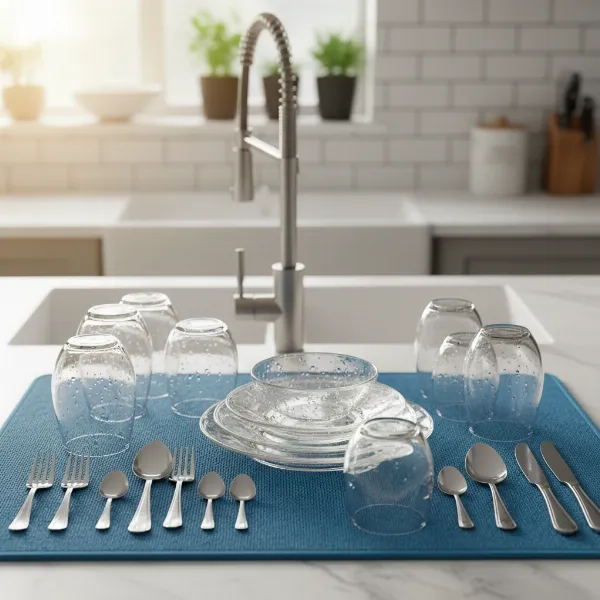
A fresh kitchen is a happy kitchen, but a persistent, unpleasant odor emanating from your rubber sink mat can quickly turn your culinary haven into a source of frustration. Sink mats are designed to protect your sink and dishes, but their constant exposure to moisture, food particles, and grime makes them a prime breeding ground for bacteria and mildew, leading to that telltale stench. As a kitchen expert with over a decade of experience in kitchenware, I understand the challenges of maintaining a pristine kitchen. This comprehensive guide will equip you with effective, natural methods to banish those stubborn smells and keep your rubber sink mat fresh, ensuring your kitchen remains a welcoming and hygienic space.
Tackling Odors: Why Your Rubber Sink Mat Smells and How to Fix It
Understanding the source of the odor is the first step towards a long-lasting solution. Rubber sink mats, by their very nature, are susceptible to developing unpleasant smells due to several common factors.
The Root Cause: Understanding Mat Odors
|
Our Picks for the Best Kitchen absorbent mat in 2026
As an Amazon Associate I earn from qualifying purchases.
|
||
| Num | Product | Action |
|---|---|---|
| 1 | YDKGL Water Absorbent Runner Rugs for Kitchen, Kitchen Mat in Front of Sink, Oil Absorbent Kitchen Mats for Floor,Non-Slip Kitchen Rugs,Durable Kitchen Mats,17x30 Gray Kitchen Rugs, |

|
| 2 | HotLive Dish Drying Mat for Kitchen Counter, Heat Resistant Drainer Mats with Non-slip Rubber Backed, Hide Stain Kitchen Super Absorbent Draining Mat, Easy to Clean Dish Rack Pad, Dark Grey 16"x18" |
|
| 3 | Ecotrim - Dish Drying Mat for Kitchen Counter | Coffee Bar Mat for Countertops | Heat Resistant Drainer Mat with Non-slip Rubber Backed | Hide Stain Kitchen Absorbent Draining Mat | Dark Grey 16"x18" |
|
| 4 | YDKGL Kitchen Rugs Mat Non Slip Washable, Super Absorbent Kitchen Mats for Floor, Rubber Backing Soft Braided Standing Floor Mats Sink Mat Runner Rug, Easy to Clean and Maintain, Brown 17"x30" |
|
| 5 | StepRite Kitchen Mats, 2PCS Kitchen Rugs, Cushioned Anti Fatigue Kitchen Mats for Floor, Non-Slip Standing Desk Mat, Waterproof Kitchen Rug Set for Kitchen, Floor, Office, 17.3"x30"+17.3"x47", Black |
|
| 6 | GORILLA GRIP Ultra Water Absorbent Microfiber Dish Drying Mat, Quick Dry Thick Mesh, Slip Resistant Pad for Sink Dishes or Under Rack, Kitchen Counter Accessories, Machine Wash Mats, 18x16 Inch, Black |
|
| 7 | GORILLA GRIP Ultra Water Absorbent Microfiber Dish Drying Mat, Quick Dry Thick Mesh, Slip Resistant Pad for Sink Dishes or Under Rack, Kitchen Counter Accessories, 16x18, Machine Wash Mats, Gray |
|
| 8 | WISELIFE Dish Drying Mat Super Absorbent Drying Mat Large Dish Drying Mats for Kitchen Counter Easy Clean Dish Mat Kitchen Drying Mat15"x 18" Stylish Grey |
|
| 9 | S&T INC. Dish Drying Mat XL, 18” x 24”, Absorbent Microfiber Kitchen Counter Mat, Dish Drying Pad for Dishes, Utensils, Pots and Pans, Extra Large, Charcoal |
|
| 10 | AMOAMI Dish Drying Mat for Kitchen Counter-Coffee Mat Bar Accessories, Hide Stain, Rubber Backed, Absorbent, Fit Under Coffee Maker, Espresso Machine, Pot, Dish Rack, 12"x19", Dark Grey |
|
The primary culprits behind a smelly rubber sink mat are often microscopic. Food debris, soap scum, and other organic matter frequently get trapped in the mat’s crevices, creating a feast for bacteria. As these bacteria break down the organic material, they release foul-smelling compounds. Another major contributor is mold and mildew, which thrive in the damp, warm environment of a kitchen sink. If your mat isn’t allowed to dry thoroughly, these fungi can quickly proliferate, producing a musty, earthy odor that is particularly difficult to ignore. Sometimes, especially with newer mats, an initial “new rubber” smell caused by volatile organic compounds (VOCs) off-gassing can also be present, though this typically fades over time.
Step-by-Step Deodorization Methods
Reclaiming a fresh-smelling mat doesn’t require harsh chemicals. Many effective deodorizing solutions can be found right in your pantry, offering natural and safe ways to combat odors.
White Vinegar Soak: A Natural Powerhouse
White vinegar is a natural deodorizer and disinfectant, making it an excellent choice for tackling stubborn sink mat smells. Its acetic acid works to break down grime, kill bacteria, and neutralize odors without leaving a chemical residue.
To use this method, begin by thoroughly rinsing your rubber sink mat under hot running water to remove any loose food particles or debris. Next, in your sink or a large basin, create a solution of equal parts white vinegar and warm water. Submerge your mat completely in this solution, ensuring it’s fully covered. Let the mat soak for at least 30 minutes, or for more severe odors, extend the soaking time to 1-4 hours, or even overnight. After soaking, use a soft brush or sponge to gently scrub the mat, paying close attention to any textured areas or stubborn spots. Finally, rinse the mat thoroughly with clean water and allow it to air dry completely, preferably outdoors in direct sunlight.
Baking Soda Power: The Odor Absorber
Baking soda, or sodium bicarbonate, is a renowned natural odor absorber. It works by neutralizing acidic and basic odor molecules, effectively eliminating, rather than just masking, unpleasant smells. It’s also non-toxic and safe for use in your kitchen.
For this method, first, clean your mat as usual with dish soap and warm water, then rinse it thoroughly. Once the mat is clean but still damp, sprinkle a generous, even layer of baking soda over its entire surface. Make sure to cover all areas, including any crevices. Allow the baking soda to sit on the mat for at least 24 hours. For very strong odors, you can let it sit for up to 48 hours. The longer it sits, the more odor it will absorb. After the waiting period, use a brush or sponge to gently scrub the baking soda into the mat, then rinse it off completely with warm water. Ensure all baking soda residue is removed before letting the mat air dry.
Dish Soap and Scrubbing: The Everyday Cleanse
Sometimes, the simplest approach is the most effective. Regular cleaning with dish soap and hot water can prevent odors from taking hold in the first place, or address milder smells.
Start by removing your rubber sink mat from the sink. Under hot running water, use a sturdy dish brush or sponge with a good amount of dish soap to vigorously scrub both sides of the mat. Pay particular attention to the underside, which often accumulates more grime and can harbor mold and mildew. Work the soap into all the textured areas and drainage holes. Rinse the mat thoroughly under hot water until all soap residue is gone and the water runs clear. Hang the mat to air dry completely before placing it back in the sink. This method is crucial for daily or every-other-day maintenance.
Sunlight’s Natural Magic: Disinfection and Deodorization
The sun is a powerful, natural ally in the fight against odors. Ultraviolet (UV) rays from direct sunlight act as a natural disinfectant, killing bacteria and mold spores that cause smells. The heat also helps to dry the mat thoroughly and dissipate any lingering odors or VOCs.
After cleaning your mat using one of the methods above, find a spot outdoors where it can be exposed to direct sunlight for several hours. Lay the mat flat or hang it in a way that maximizes sun exposure on both sides. This process not only helps to dry the mat completely but also naturally sanitizes it, leaving it fresh and odor-free. This is an excellent final step after any washing routine.
For Persistent Odors: Advanced Cleaning Tips
If standard methods aren’t quite cutting it, or if you’re dealing with visible mold, some stronger, yet still safe, options can be considered.
For tough mold or mildew stains, a diluted hydrogen peroxide solution can be effective. Mix one part hydrogen peroxide (3%) with two parts water. Spray or apply the solution to the affected areas of your clean mat and let it sit for about 10-15 minutes before scrubbing and rinsing thoroughly. Hydrogen peroxide is a powerful oxidant that can kill mold and lighten stains. Always ensure good ventilation and wear gloves when using it.
Another often-overlooked solution, especially effective for rubber, can be denture cleaning tablets. Fill your sink with warm water, add a few denture tablets, and submerge your rubber mat. Let it soak for 30 minutes to an hour. The effervescent action and mild cleaning agents in the tablets can help break down grime and eliminate odors. After soaking, scrub with a brush, rinse well, and dry.
Beyond Deodorizing: Preventing Future Smells
While effective cleaning methods are essential, preventing odors from developing in the first place is the most sustainable approach to maintaining a fresh rubber sink mat.
Regular Cleaning and Drying Habits
Consistency is key. Make it a habit to clean your rubber sink mat regularly – ideally daily or every other day, especially if it sees heavy use. A quick scrub with dish soap and hot water after washing dishes can make a significant difference. Furthermore, always ensure the mat is completely dry before placing it back in the sink or storing it. A damp environment is an open invitation for mold and bacteria to flourish.
Ensuring Proper Airflow and Drainage
When placing your mat in the sink, consider how water will drain and air will circulate underneath it. Mats with good drainage holes and a slightly elevated design allow water to flow freely and air to dry the underside, minimizing trapped moisture. If your mat tends to collect water, periodically lift it to wipe down the sink basin and the mat’s underside.
Choosing Odor-Resistant Mats for Replacements
When it’s time to replace your rubber sink mat, consider options that are designed to resist odors. Look for mats made from higher-quality, non-porous rubber or silicone, which are less likely to absorb smells and are easier to clean. Some mats are also treated with antimicrobial agents to inhibit bacterial growth. Investing in a quality mat can save you a lot of deodorizing effort in the long run.
“A clean sink mat isn’t just about aesthetics; it’s fundamental to kitchen hygiene. Regular, mindful cleaning practices are your best defense against unwanted odors.” – Chef Anya Sharma, Culinary Hygiene Specialist
Expert Tips for a Long-Lasting, Fresh Sink Mat
Maintaining a clean and odor-free rubber sink mat is an ongoing process that benefits from informed choices and consistent care.
When to Replace Your Sink Mat
Even with the best care, rubber sink mats don’t last forever. Over time, rubber can degrade, becoming porous, discolored, or showing signs of cracking. If your mat becomes excessively stained, starts to disintegrate, or consistently harbors odors despite thorough cleaning, it’s a clear sign that it’s time for a replacement. Typically, a good quality rubber sink mat should last anywhere from one to three years, depending on use and care. Replacing it proactively ensures optimal hygiene and performance.
The Importance of Material Quality
The material of your sink mat plays a crucial role in its longevity and odor resistance. High-quality rubber and silicone mats are generally less porous than cheaper alternatives, meaning they are less likely to absorb food particles and moisture that lead to smells. Opt for materials that are food-grade and BPA-free for safety, and look for durable designs that can withstand daily use and frequent cleaning. While some synthetic rubbers might initially off-gas more, well-ventilated, quality options will settle.
Simple Daily Care Routines
Incorporating simple habits into your daily kitchen routine can dramatically extend the life and freshness of your sink mat. After the last dish is washed for the day, take an extra minute to rinse the mat, wipe down the sink, and hang the mat to air dry overnight. You can drape it over a dish rack or the divider in a double sink. This allows for optimal air circulation and prevents moisture from stagnating underneath, which is the primary cause of odor buildup.
Conclusion
A smelly rubber sink mat doesn’t have to be a permanent fixture in your kitchen. By understanding the causes of odors and employing a combination of powerful natural cleaning agents like white vinegar and baking soda, coupled with the sanitizing benefits of sunlight, you can effectively eliminate unpleasant smells. More importantly, establishing a consistent routine of regular cleaning, ensuring thorough drying, and selecting quality, odor-resistant materials when replacing your mat will keep your kitchen fresh and hygienic for the long haul. What simple changes will you make today to ensure your sink mat always smells clean?
Frequently Asked Questions
How often should I clean my rubber sink mat to prevent smells?
For optimal freshness and hygiene, you should aim to clean your rubber sink mat daily or at least every other day, especially if it gets heavy use. A quick scrub with dish soap and hot water followed by thorough drying is usually sufficient for routine maintenance.
Can I put my rubber sink mat in the dishwasher?
While some silicone sink mats are dishwasher safe, traditional rubber mats may not be. Always check the manufacturer’s instructions. High heat in dishwashers can sometimes warp or damage rubber, shortening its lifespan. Hand washing with hot soapy water or a vinegar soak is generally the safest and most effective method for rubber.
Why does my new rubber sink mat have a strong chemical smell?
A strong chemical smell from a new rubber sink mat is often due to “off-gassing” of volatile organic compounds (VOCs) released during the manufacturing process. This smell is usually harmless and will dissipate over time. You can speed up the process by washing the mat with soap and water, soaking it in a vinegar solution, and airing it out in a well-ventilated area or direct sunlight for a day or two before use.