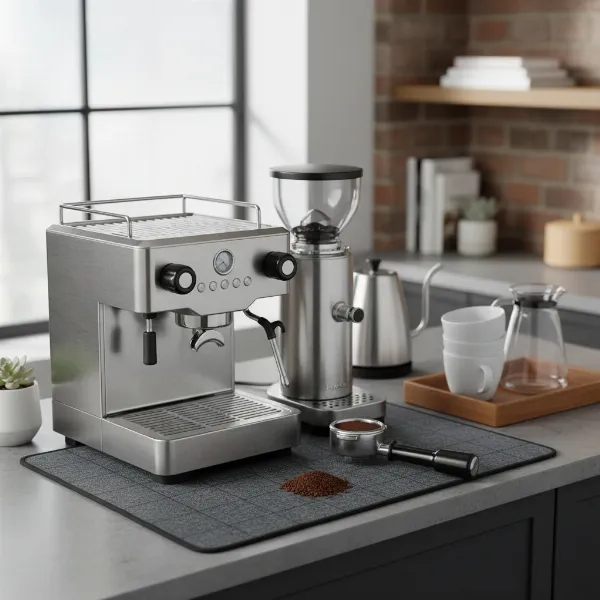
Stepping out of the shower onto a quick-drying stone mat is a small luxury that many homeowners now enjoy, transforming a wet inconvenience into a clean, modern experience. These innovative mats, primarily crafted from diatomaceous earth, promise superior absorbency and a hygienic surface for your bathroom or kitchen. However, despite their impressive qualities, stone mats are not indestructible. Many users encounter the frustration of cracks and breaks, shortening the lifespan of these otherwise fantastic home essentials. Understanding why these elegant solutions can shatter is the first step towards ensuring yours endures, providing a dry and safe surface for years to come. This guide will reveal the common culprits behind stone mat breakage and equip you with practical handling tips to keep your mat pristine through 2026 and beyond.
Stone Absorbent Mats: The Solution for a Dry and Safe Home
Stone absorbent mats have revolutionized how we manage moisture in high-spill areas like bathrooms and kitchens. Their unique composition offers benefits far beyond traditional fabric mats, making them a popular choice for those seeking both functionality and modern aesthetics.
Why Use a Stone Absorbent Mat?
|
Our Picks for the Best Kitchen absorbent mat in 2026
As an Amazon Associate I earn from qualifying purchases.
|
||
| Num | Product | Action |
|---|---|---|
| 1 | AMOAMI Dish Drying Mat for Kitchen Counter-Coffee Mat Bar Accessories, Hide Stain, Rubber Backed, Absorbent, Fit Under Coffee Maker, Espresso Machine, Pot, Dish Rack, 12"x19", Dark Grey |

|
| 2 | Ecotrim - Dish Drying Mat for Kitchen Counter | Coffee Bar Mat for Countertops | Heat Resistant Drainer Mat with Non-slip Rubber Backed | Hide Stain Kitchen Absorbent Draining Mat | Dark Grey 16"x18" |
|
| 3 | WISELIFE Dish Drying Mat Super Absorbent Drying Mat Large Dish Drying Mats for Kitchen Counter Easy Clean Dish Mat Kitchen Drying Mat15"x 18" Stylish Grey |
|
| 4 | YDKGL Water Absorbent Runner Rugs for Kitchen, Kitchen Mat in Front of Sink, Oil Absorbent Kitchen Mats for Floor,Non-Slip Kitchen Rugs,Durable Kitchen Mats,17x30 Gray Kitchen Rugs, |
|
| 5 | GORILLA GRIP Ultra Water Absorbent Microfiber Dish Drying Mat, Quick Dry Thick Mesh, Slip Resistant Pad for Sink Dishes or Under Rack, Kitchen Counter Accessories, 16x18, Machine Wash Mats, Gray |
|
| 6 | StepRite Kitchen Mats, 2PCS Kitchen Rugs, Cushioned Anti Fatigue Kitchen Mats for Floor, Non-Slip Standing Desk Mat, Waterproof Kitchen Rug Set for Kitchen, Floor, Office, 17.3"x30"+17.3"x47", Black |
|
| 7 | HotLive Dish Drying Mat for Kitchen Counter, Heat Resistant Drainer Mats with Non-slip Rubber Backed, Hide Stain Kitchen Super Absorbent Draining Mat, Easy to Clean Dish Rack Pad, Dark Grey 16"x18" |
|
| 8 | GORILLA GRIP Ultra Water Absorbent Microfiber Dish Drying Mat, Quick Dry Thick Mesh, Slip Resistant Pad for Sink Dishes or Under Rack, Kitchen Counter Accessories, Machine Wash Mats, 18x16 Inch, Black |
|
| 9 | YDKGL Kitchen Rugs Mat Non Slip Washable, Super Absorbent Kitchen Mats for Floor, Rubber Backing Soft Braided Standing Floor Mats Sink Mat Runner Rug, Easy to Clean and Maintain, Brown 17"x30" |
|
| 10 | S&T INC. Dish Drying Mat XL, 18” x 24”, Absorbent Microfiber Kitchen Counter Mat, Dish Drying Pad for Dishes, Utensils, Pots and Pans, Extra Large, Charcoal |
|
Stone mats, predominantly made from diatomaceous earth, are celebrated for their remarkable ability to absorb water and oil quickly and efficiently. This rapid drying action minimizes the presence of standing water, significantly reducing the risk of slips and falls on wet floors, thereby enhancing safety in your home. Beyond safety, these mats protect your flooring from water damage, scratches, and stains that can occur over time with persistent moisture exposure. Ultimately, a well-chosen stone mat also contributes to the overall aesthetic appeal of your space, offering a sleek, minimalist look that complements contemporary home designs.
Common Types of Stone Absorbent Mats on the Market
While “stone mat” often refers to diatomaceous earth varieties, it’s helpful to understand the landscape of absorbent mats, particularly in contrast to traditional options.
- By Material:
- Diatomaceous Earth (DE): Composed of fossilized algae, these mats are known for their rapid absorption and quick-drying properties. They are the primary focus when discussing “stone mats.”
- Microfiber: Synthetic fibers known for high absorbency and softness.
- Cotton: Traditional, soft, and comfortable, but slower to dry.
- Rubber: Offers excellent non-slip properties and water resistance but lacks absorbency.
- By Size: Stone mats come in various sizes to fit different spaces, from small bedside mats to larger kitchen runners.
- Small (e.g., 12×16 inches)
- Medium (e.g., 15×24 inches)
- Large (e.g., 18×30 inches or larger)
- By Shape: Common shapes include rectangular, round, and half-moon designs, allowing for versatile placement and aesthetic integration.
Comparing Types of Stone Absorbent Mats
When considering an absorbent mat, it’s crucial to weigh the advantages and disadvantages of different materials, especially when comparing diatomaceous earth mats to their fabric counterparts.
| Material | Advantages | Disadvantages | Price |
|---|---|---|---|
| Diatomaceous Earth (DE) | Super absorbent, quick-drying, antibacterial, deodorizing, eco-friendly | Brittle, prone to cracking/breaking from impact, requires specific care | High |
| Microfiber | Highly absorbent, quick-drying, soft, durable, often machine washable | May retain moisture longer than DE, requires regular washing, synthetic feel | Medium |
| Cotton | Soft, good absorption, easy to wash, natural material | Slower drying, can harbor bacteria if wet, prone to staining, needs frequent washing | Low |
| Rubber (non-absorbent base) | Anti-slip, waterproof (base), easy to clean (surface) | Not absorbent, can feel less luxurious, may trap moisture underneath | Medium |
Why Stone Mats Break: Understanding the Causes
The primary appeal of stone mats lies in their unique material: diatomaceous earth. This natural substance, while incredibly effective at moisture absorption, possesses inherent characteristics that make it susceptible to damage.
The Inherent Brittle Nature of Diatomaceous Earth
Diatomaceous earth is essentially a naturally occurring sedimentary rock composed of fossilized algae. Its porous structure, brimming with tiny holes, is what grants it exceptional water-absorbing capabilities. However, despite being called “stone,” diatomite is a soft, fragile rock. This inherent delicacy means it lacks the flexibility and resilience of other materials, making it prone to cracking and breaking when subjected to stress. Think of it as a rigid, ceramic-like material; it performs wonderfully under normal use but cannot withstand bending or sharp impacts.
Common Causes of Cracking and Breaking
Even with its fragile nature, many breaks are preventable with careful handling and understanding of common pitfalls.
- Impact and Drops: The most frequent cause of breakage is physical impact. Accidentally dropping the mat, especially on hard surfaces, or having heavy objects fall onto it can easily cause the mat to shatter or crack. The rigidity of the material offers little give against sudden force.
- Improper Handling: How you pick up, move, or store your mat significantly impacts its longevity. Bending the mat, prying it up from the floor, or carrying it without adequate support can introduce stress points that lead to cracks. Stacking mats on uneven surfaces during storage can also create pressure, weakening the material over time.
- Sudden Temperature Changes: Extreme or rapid fluctuations in temperature can cause the material to contract or expand too quickly, leading to internal stresses that manifest as cracks. Avoid placing the mat directly in front of heating vents or under direct, intense sunlight for prolonged periods.
- Excessive Saturation/Drying: While DE mats are designed to absorb water, leaving them consistently soaked or in persistently damp environments without proper airflow can contribute to internal stress and warping. Conversely, some sources suggest excessive UV exposure or drying with heaters can make the mat excessively brittle.
- Manufacturing Defects: Less common but still possible, some mats may have uneven density or impurities from the manufacturing process, creating weak points that are more susceptible to cracking even under normal use. Poor quality materials can lead to early failure, with some cheaper mats requiring replacement within months.
Essential Handling Tips for Stone Absorbent Mats 2026
Maximizing the lifespan of your stone mat hinges on consistent, mindful care. By adopting these essential handling tips, you can significantly reduce the likelihood of cracks and enjoy its benefits for years.
Best Practices for Placement and Use
The foundation of a long-lasting stone mat begins with where and how you use it. Always place your stone mat on a flat, stable surface. Uneven flooring, such as tiled surfaces with significant variations, can cause undue stress on the mat and make it more vulnerable to cracking. Using the non-slip pad provided with many mats helps distribute weight evenly and prevents movement. Position the mat in a low-traffic zone, away from areas where it might be accidentally kicked, stepped on awkwardly, or where heavy items are frequently moved.
Gentle Cleaning and Maintenance
Regular, gentle cleaning is paramount to maintaining both your mat’s absorbency and its structural integrity. Avoid harsh chemicals, bleach, or abrasive scrubbing tools, as these can erode the mat’s porous surface and compromise its effectiveness and durability. Instead, for daily cleaning, simply wipe the surface with a soft, damp cloth to remove residual water, soap scum, or dust. For tougher stains or to restore absorbency, lightly sanding the surface with fine-grit sandpaper can open clogged pores and refresh its performance. After cleaning, ensure the mat is completely air-dried in a shaded, well-ventilated area. Prop it up to allow for airflow on all sides, but avoid direct sunlight or placing it near heaters, which can cause brittleness or warping.
Storage and Transportation
When not in use or when moving your mat, proper storage and transportation are critical. Always store your stone mat flat, ensuring it is protected from impacts. Avoid leaning it against a wall where it could fall or stacking it on uneven surfaces. When transporting, carry it carefully with both hands, supporting it evenly across its surface to prevent any bending or undue pressure that could lead to cracks. Treat it with the same care you would a delicate ceramic item.
What to Do if Your Mat Shows Signs of Wear
Despite best efforts, minor cracks can sometimes appear. Small, hairline surface cracks might not immediately impact absorbency but can worsen if ignored. For very minor fissures, some suggest mixing diatomaceous earth powder with a tiny amount of water to create a paste to fill the crack, though this is often a temporary fix. Deep cracks, or those causing chips and chunks to break off, significantly compromise the mat’s structure and performance. In such cases, or if warping becomes severe, it’s generally best to replace the mat. However, even a broken mat can often be repurposed, for example, by crushing it for use in gardens as a soil amendment.
“Many consumers overlook the subtle signs of wear on their stone mats until it’s too late. Regular inspection and proactive, gentle care are key to extending its life. Think of it as a natural, living surface that needs respect.” – Dr. Emily R. Chen, Material Science Expert, Absorbent Technologies Inc.
Reference Price Guide for Stone Absorbent Mats (Updated 2026)
The price of stone absorbent mats can vary widely depending on factors like size, brand, quality of diatomaceous earth, and additional features. This guide provides estimated price ranges in USD.
| Mat Type | Size | Estimated Price (USD) |
|---|---|---|
| Diatomaceous Earth Mat (Basic) | Small (12″x16″) | $15 – $30 |
| Diatomaceous Earth Mat (Basic) | Medium (15″x24″) | $30 – $60 |
| Diatomaceous Earth Mat (Basic) | Large (18″x30″) | $50 – $100 |
| Diatomaceous Earth Mat (Premium/Backed) | Small | $25 – $50 |
| Diatomaceous Earth Mat (Premium/Backed) | Medium | $40 – $80 |
| Diatomaceous Earth Mat (Premium/Backed) | Large | $70 – $120+ |
Prices are estimates and can fluctuate based on market conditions, retailer, and specific product features.
Buying Guide: What to Know Before Purchasing a Stone Absorbent Mat
Investing in a stone absorbent mat means considering several factors to ensure you choose a product that meets your needs and stands the test of time.
What is Your Budget?
Before diving into the myriad options, establish a realistic budget. Stone mats come in various price points, influenced by material quality, size, and brand reputation. While cheaper options exist, they may compromise on durability and lifespan. Balancing cost with perceived value and expected longevity is crucial. Compare prices across reputable retailers and brands, keeping in mind that a slightly higher initial investment often translates to a longer-lasting, more satisfying product.
Which Material Suits Your Needs?
For maximum absorbency and quick drying, diatomaceous earth is often the material of choice for stone mats. However, understand its brittle nature. If you need extreme flexibility or a surface that can withstand frequent heavy impacts, you might consider alternatives like high-quality microfiber mats, though they won’t offer the same instant-dry stone feel. For stone mats, look for products made from 100% natural diatomaceous earth without excessive synthetic additives, as these generally offer better performance and durability. Consider your lifestyle and how often the mat will be used; a high-traffic area might warrant a denser, more robust mat.
What Size and Style Fit Your Space?
Measure the area where you intend to place the mat to ensure a perfect fit. A mat that is too large can become a tripping hazard or be difficult to position properly, while one that is too small may not adequately serve its purpose. Beyond functionality, consider the mat’s style, shape, and color to ensure it harmonizes with your existing decor. Many stone mats offer a minimalist aesthetic that can complement a variety of interior designs.
Which Brand is Reputable?
Researching brands and reading customer reviews is a vital step. A reputable brand often signifies a commitment to quality materials and manufacturing processes, which directly impacts a stone mat’s durability and resistance to breaking. Pay attention to feedback regarding product longevity, customer service (especially for warranty claims), and any mentions of cracking or warping. While “stone” mats are generally safe, past recalls of certain imported diatomaceous earth products containing asbestos highlight the importance of choosing trusted brands that guarantee safety and material purity.
Conclusion
Stone absorbent mats, especially those made from diatomaceous earth, offer a clean, dry, and aesthetically pleasing solution for modern homes. Their remarkable absorbency and quick-drying capabilities provide a significant upgrade over traditional fabric mats, enhancing safety and hygiene. However, their unique composition, while beneficial, also makes them inherently brittle and susceptible to breaking without proper care. By understanding the causes of breakage—primarily physical impact, improper handling, and rapid temperature changes—and implementing proactive handling tips, you can dramatically extend your mat’s lifespan. Gentle cleaning, careful placement on stable surfaces, and mindful storage are not just maintenance tasks; they are investments in your mat’s longevity. With these insights, your stone mat can continue to deliver its magic, keeping your floors dry and your space stylish for many years.
What other innovative ways have you found to protect and preserve your stone absorbent mat?
Frequently Asked Questions
How long do stone absorbent mats typically last?
With proper care and maintenance, a good quality diatomaceous earth mat can last anywhere from 2 to 5 years. Some cheaper, lower-tier products may only last 6 to 12 months. The lifespan is heavily influenced by how well it’s maintained and how frequently it experiences stress.
Can I repair a broken diatomaceous earth mat?
For minor hairline cracks, some users attempt repairs using a paste made from diatomaceous earth powder and water. However, for significant breaks or large cracks, repairing a stone mat is generally not recommended as it compromises the mat’s structural integrity and absorbency. It’s usually best to consider a replacement.
Are there any alternatives to diatomaceous earth mats that are less prone to breaking?
Yes, if durability against impact is a primary concern, highly absorbent microfiber mats offer excellent water retention and quicker drying than traditional cotton, while being flexible and virtually unbreakable. They require regular washing but are generally more resilient to physical damage.